In my journey of switching to a plant-based diet, one of the most delectable discoveries was the diverse wealth of indigenous Ghanaian ingredients available that I simply had no clue of. These ingredients I discovered do not only align perfectly with my nutritional needs but are also affordable and accessible.
It makes my transition to eating mainly natural foods that promote optimal health and vitality both practical and enjoyable. In the many bustling markets of Ghana that I have visited, the most vibrant section I noticed was the vendors who displayed fresh produce—and the case is no different in the small town where I live.
Here in my community and its surrounding towns, we have small-scale farmers who grow commonly known crops like cassava, cucumbers, eggplants, and other leafy greens that are often used in our Ghanaian cuisine. These vegetables, unlike exotic ones, are easy to come by on a daily basis, and as a result, it always helps boost my interest in introducing more greens into my diet.
Soon, I came to the realisation that the key to my success on this healthy eating journey wasn’t in some health food store with overpriced foreign ingredients and groceries but in the vibrant, bustling local market right where I live. I often start my week by picking up staples like sweet potatoes, cabbage, a few grains, and many other colourful vegetables.
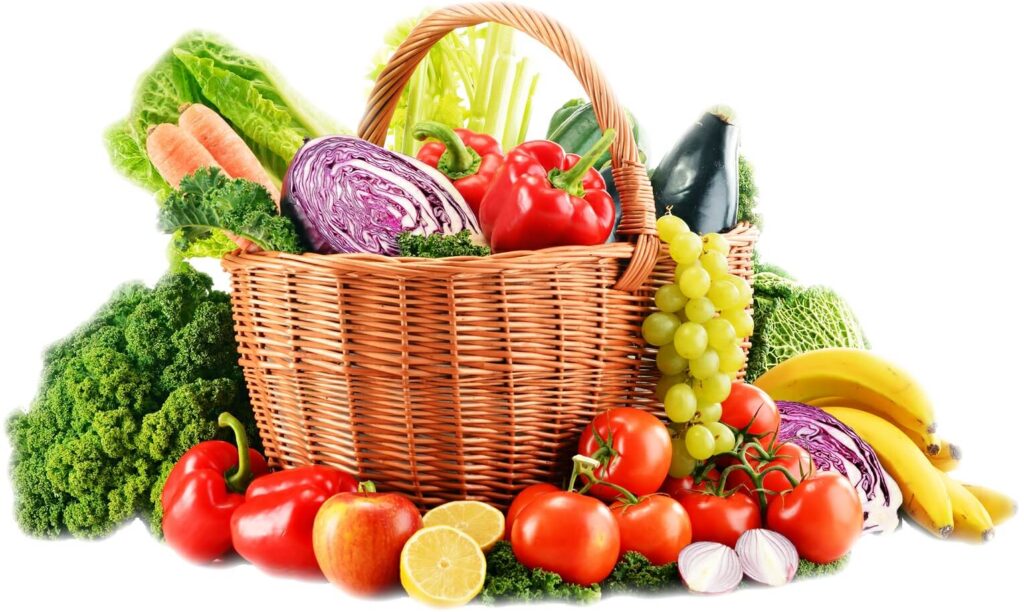
These ingredients form the backbone of my meals, providing a hearty base that is both filling and nutritious. For a comfort meal, I often make a quick and simple vegetable wrap, which is delicious, satisfying, and nutritious as well. And to satisfy a sweet craving, I roast a semi-ripened plantain paired with a handful of toasted almonds or sesame seeds, which is crunchy and tasty.
Vegetable soups are another cornerstone of my diet. I frequently buy agushi (melon seeds), mushrooms, and beans from local vendors to prepare creamy, thick, and delicious soups rich in protein and other essential nutrients. Another way I like to enjoy beans is by preparing a flavourful bean stew infused with spices and paired with fried plantains, served with a visually pleasing and colourful plating technique. Not only is this meal easy to make, but it is also nutritious and fills my home with the comforting aroma of traditional Ghanaian cooking.
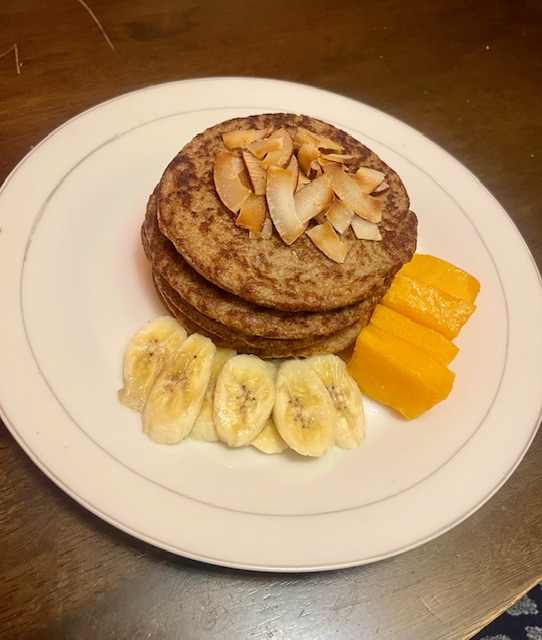
I am not a huge fan of sweet fruits, but I occasionally add a few bananas to my oat pancakes for breakfast or a snack, garnished with some toasted coconut flakes for a blend of smooth and crunchy texture. But if there’s one fruit I can eat every day, it will have to be avocado. Not only is it delicious, but it improves cholesterol by increasing “good” high-density lipoprotein (HDL) cholesterol and lowering the “bad” low-density lipoprotein (LDL) cholesterol, which can reduce the risk of clogged arteries and heart disease.
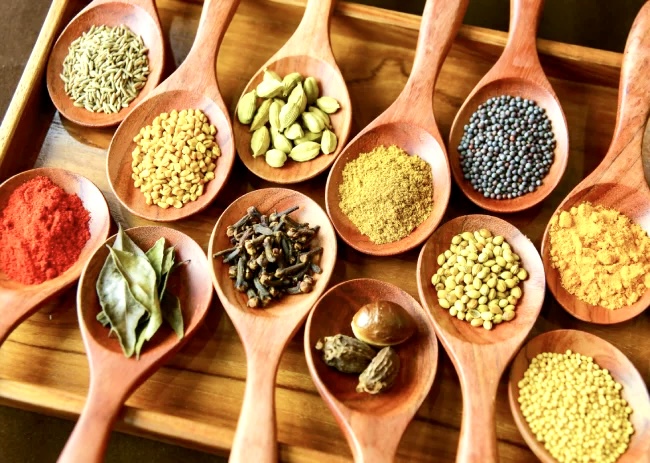
Avocados also incorporate well in smoothies, are great for salads, and add a delightful touch to a veggie burger, which melts in the mouth on the first bite. From my culinary lens, you just can’t go wrong with avocados. Herbs and spices such as cloves, ginger, garlic, prekese (Aidan fruit), dawadawa (African locust beans), onions, and peppers, which are anti-inflammatory, are essential in my kitchen too. I love using them to create rich and aromatic dishes that celebrate the bold flavours of Ghana.
In plant-based cooking, a perfect blend of spices is highly needed because it forms the main component of the meal. It makes the dish aromatic, spicy, and scrumptious. Are you salivating already? Of a culinary truth, adding these indigenous spices to dishes can elevate any meal, turning “humble” ingredients into something extraordinary.
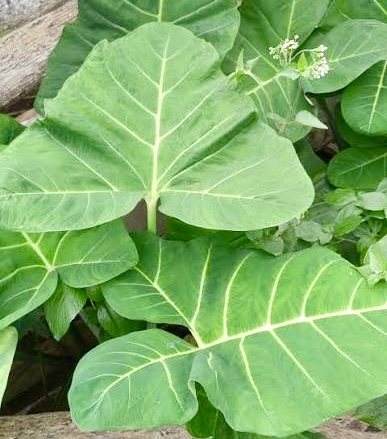
Another great health revelation on this journey was adding indigenous greens like kontomire (cocoyam leaves)—rich in B vitamins like thiamin, riboflavin, and niacin, which help protect the nervous system and convert food into energy. Ayoyo (jute leaves) is another leafy green I use a lot because it is rich in vitamins and minerals like calcium, vitamin A, vitamin C, vitamin K, and fibre, which are all effective immune boosters. I make great use of okra too because it is rich in natural folate and essential for cell growth, particularly important for pregnant women to prevent neural tube defects. The health benefits mentioned are only a small fraction of the numerous advantages that can be gained from these plants and other plentiful indigenous crops.
The vibrant colours and unique textures of these vegetables not only make meals visually appealing, but they also provide our bodies with antioxidants that help reduce the risk of health conditions like cancer, diabetes, stroke, and heart-related illnesses. I often add them to my stews or soups, reaping their nutritional benefits while embracing the flavours, especially with dawadawa, which I call the jewel of northern Ghana’s cuisine. It is rich in essential micronutrients like iron, calcium, potassium, and zinc that contribute to a good and healthy immune system. Aside from its great benefits, it has a unique aroma that lingers after cooking, which reminds me of my ancestral home.
In using these locally sourced ingredients, to be succinct, they connect me to my Ghanaian heritage while supporting my health goals. I feel empowered knowing that I am making healthy food choices that bring me deep pride, power my body, and also honour the traditions of my culture. Each meal from my kitchen becomes a celebration of the rich agricultural bounty of Ghana, reminding me that eating natural and healthy food doesn’t mean sacrificing flavour or taste.
As I move forward on this journey, I am exceptionally grateful for the accessibility of these indigenous ingredients, which have made my transition from a loaded carbohydrate diet to a richer plant-based diet feasible and enjoyable.
Don’t let anyone deceive you that a plant-based or natural way of eating is boring and “extreme”. The only “extreme” bit in a plant-based diet is that it is an extremely healthy way of nourishing the body.
The author, Hawa Mutawakilu, is a food journalist, vegan chef, and a sustainable lifestyle advocate.
Email: greencornish13@gmail.com