
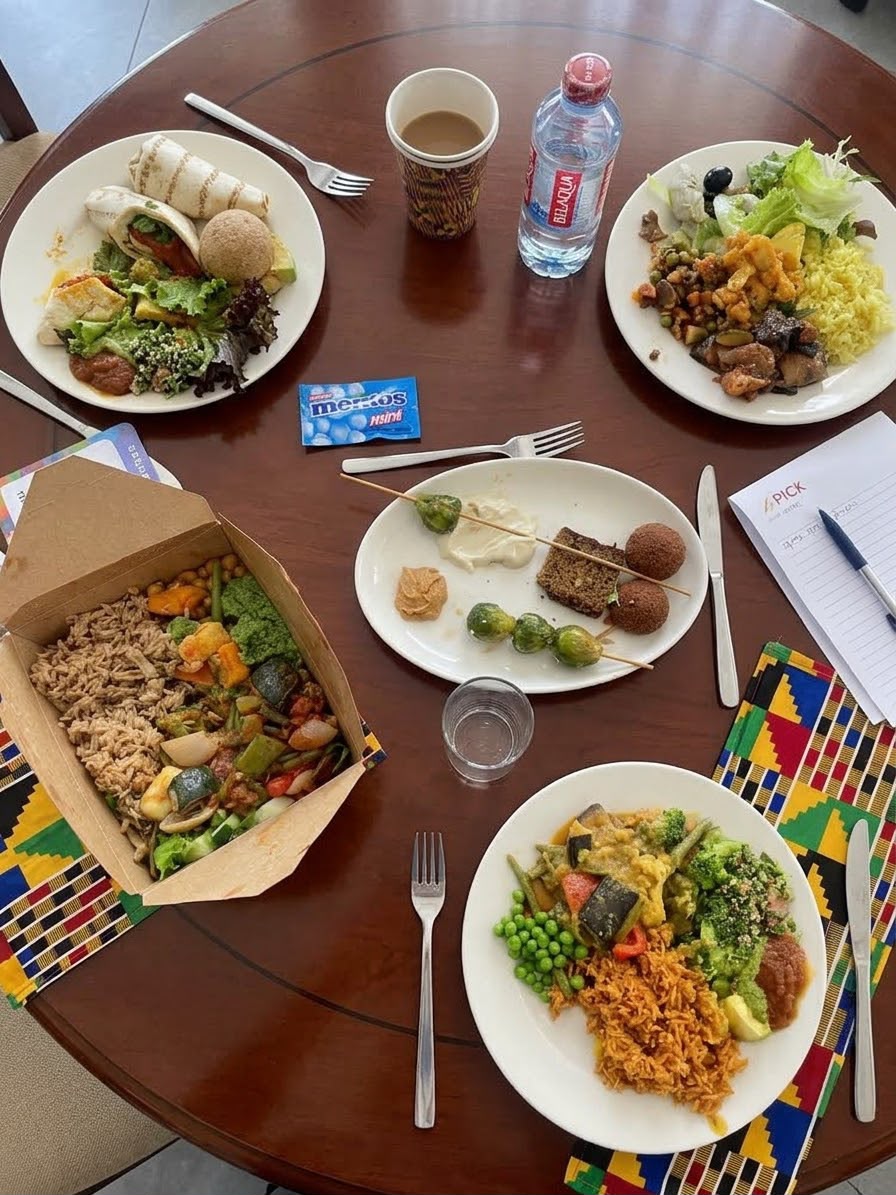
In July of this year, I was privileged to speak at the Animal and Vegan Advocacy (AVA) 2026 Summit in Accra, Ghana. This event brought together passionate advocates dedicated to building a more compassionate world. While the sessions were inspiring and had enjoyable plant-based catering, walking through the coffee break snack and the lunch hall revealed a missed opportunity. Hosting an international gathering in Ghana (West Africa) presents a rare chance to showcase indigenous, plant-based gastronomy, yet the catering leaned heavily on standard Western options rather than authentic Ghanaian cuisine.

Ghanaian culinary heritage is inherently grounded in vibrant, plant-rich staples. I believe offering local dishes to an international audience is about more than variety, it demonstrates cultural immersion, sustainability, and proving that indigenous African foods are suited for the global plant-based movement.

During the summit, a practical moment at the coffee break buffet line highlighted this gap. As I reached for some falafel (a deep-fried chickpea fritter), a Nigerian attendee asked me, “is that akara”? Referring to the bean fritter known as koose in Ghana. When I explained it was falafel, he asked what it tasted like before deciding to try it. Displaying local akara or koose side by side with falafel would have created a natural bridge for guests to explore local flavors while comparing two distinct global traditions.
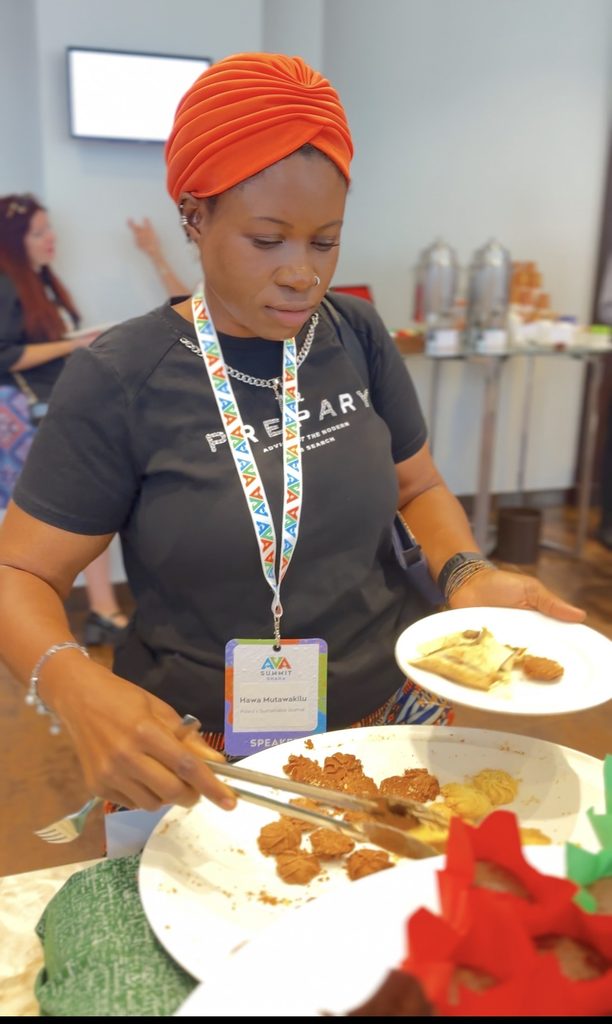
Coffee breaks offer an ideal space to introduce indigenous snacks and beverages of a host country to an international audience. Instead of generic pastries like wheat flour doughnuts, cupcakes, cookies or biscuits, the conference tables could have featured kelewele (a spicy ripe plantain snack), freshly fried golden brown koose, crunchy kulikuli (a peanut snack from northern Ghana), crispy plantain chips, coconut biscuits, and fonio balls. Also, a simple culinary adaptation such as swapping imported wheat flour for locally milled cereals such as pearl millet flour to make cupcakes or doughnuts showcase a unique perspective of how everyday western treats can be made with alternative and healthier flour elevating the taste.
For coffee or tea plant-based creamers and beverages, the conference could have explored traditional Ghanaian tiger nut milk, providing international attendees with a different option to cream their tea or coffee rather than usual almond or soya milk served at most plant-based conferences. With the beverages, sobolo (a vibrant pineapple infused hibiscus drink), zomkom (a smooth and creamy millet-based drink) or other local vegan friendly beverages would have provided guests with authentic Ghanaian, nutrient-dense hydration.

The main course options could have been easily elevated with native ingredients without compromising on plant-based standards. For example, serving aromatic fonio jollof alongside local Ghanaian rice, fried or boiled yam slices, and native sweet potatoes offers a rich, gluten-free foundation. Pairing these with a delicious kontombere (cocoyam leaves), cassava leaves stew or a simple mixed vegetable sauce, delivers an authentic taste profile that easily rivals imported greens like spinach in both depth and nutritional value.
When international conference menus default to standard Western options, we unintentionally reinforce the myth that plant-based dining is a modern Western concept rather than an ancestral African tradition. By prioritizing indigenous crops, event organizers support smallholder farmers, reduce the carbon footprint of imported foods, and offer delegates a genuine taste of the host nation. Lastly, when international conferences prioritize vibrant, local foodways, event dining becomes a living extension of the advocacy itself.
The author Hawa Mutawakilu is a freelance food journalist, plant-based chef, and sustainability advocate writing on indigenous Ghanaian foodways, food justice, and peaceful coexistence with the environment. She also serves as the Community Engagement and Adoption Lead for Tangelic.
Disclaimer: The views expressed in this article are solely those of the author and do not necessarily reflect the perspectives of other attendees of the AVA summit in Ghana.